Wilderness
This is mid-winter break, and many of us are on the move. Some have headed somewhere warmer, some somewhere colder, some are just home with the kids trying to make it to Friday. \

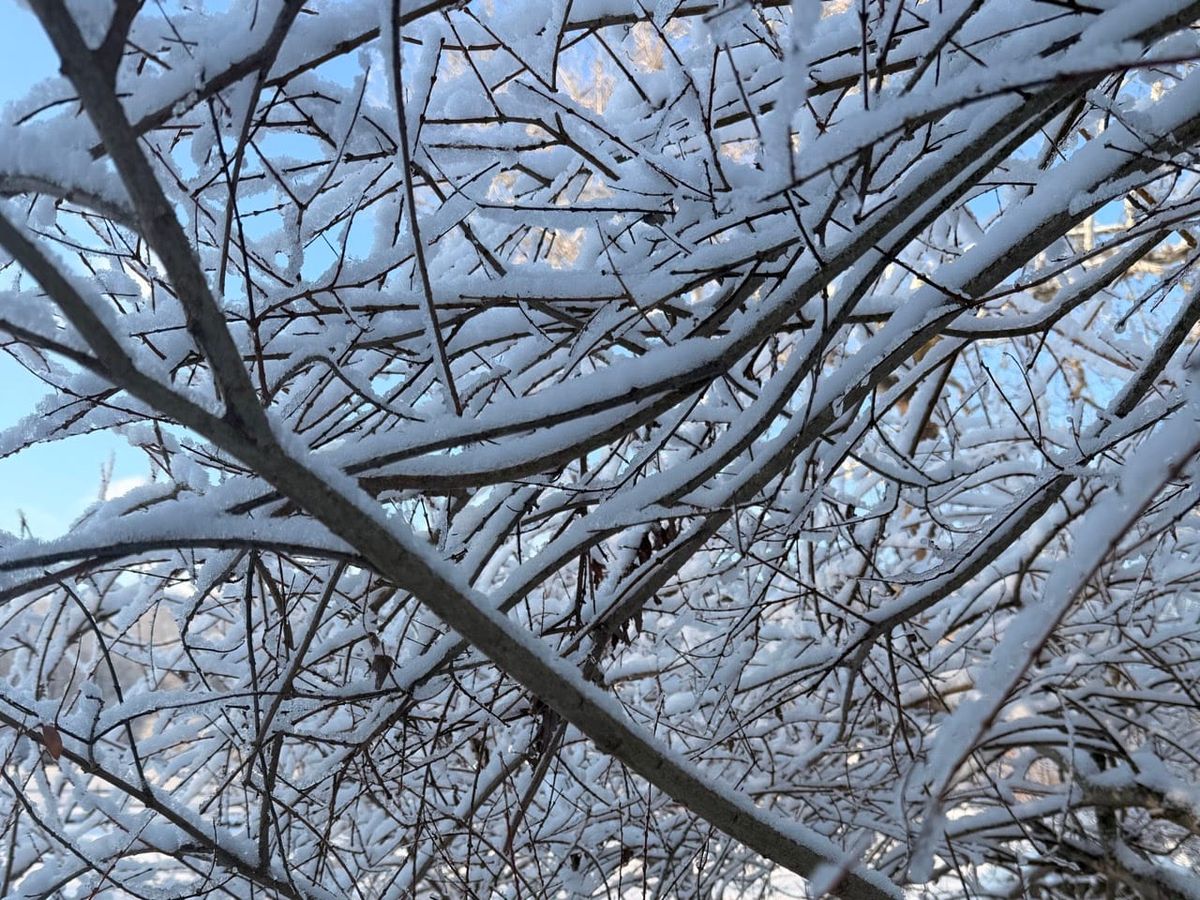
This is mid-winter break, and many of us are on the move. Some have headed somewhere warmer, some somewhere colder, some are just home with the kids trying to make it to Friday. But, the pews are emptier. We are scattered — which is, if you think about it, not a bad way to meet this first Sunday of Lent.
The season of Lent begins with a story about Jesus being driven into the wilderness. Not a scenic wilderness, not a retreat center with pretty good coffee — a place that will not bend to his will. A landscape stripped of comfort, where hunger is real, and the only company is whatever arrives uninvited. Lent begins with scattering, with displacement, with being sent somewhere you didn't choose.
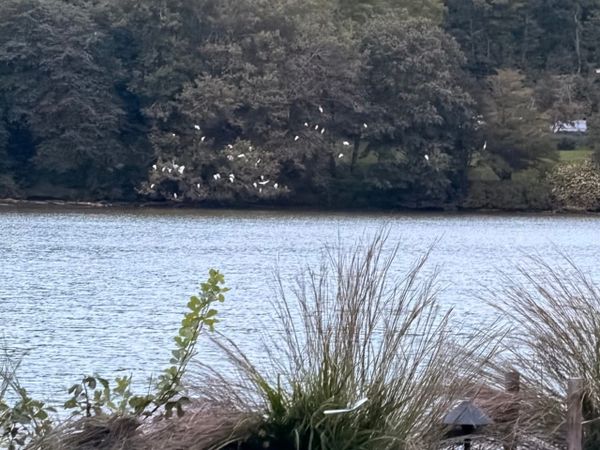
Back at our pond — for those of us who are home to see it — the water is caught in between. The freeze has loosened but not broken. Puddles sit on the surface of ice that hasn't decided to let go. Mud is spreading at the edges. It is the same gray, in-between mess it was last week, neither frozen nor flowing, a landscape that won't perform for anyone. It is, in its own quiet way, wilderness.
But there is something else happening if you know where to look. Near the edges, where the cold springs surface — the very springs that gave Cold Spring Harbor its name — the water never froze at all. All through those three hard weeks of ice, the springs kept moving, kept flowing, and the water around them stayed open. Now those unfrozen areas are growing. Not because anything forced them, but because moving water does what moving water does. It stays alive, and life spreads from it.
This is the part of the wilderness story we rush past. In our tradition, we will hear a story where Jesus is driven into a barren place, and a tempter arrives with three proposals, each one a form of the same idea: take charge.
Turn stones to bread — make the landscape feed you on your terms. Seize the kingdoms — take what you want by power. Throw yourself from the temple — force God's hand, demand proof.
Every temptation is an attempt to extract something from a place or a relationship that can only give freely. Stones can become bread in God's economy — but not by command. The kingdom Jesus came to announce can't be seized — only entered. God does save — but not on our schedule.
The pond knows the difference. The ice will break when it breaks. The springs never stopped flowing, and the thaw is spreading from them now — not because anyone demanded it, but because that is what living water does.
The wilderness teaches what cannot be rushed or seized or forced into being. And if we are patient enough to stop demanding that the landscape perform for us, we might notice that the springs were running the whole time.
Many of us are far from the pond this week. Some are on beaches, some on mountains, some on couches. Wherever you are, the church has entered the wilderness of Lent — a forty-day invitation to the world to stop forcing and start receiving. You don't have to observe Lent to feel the truth of that invitation. It is not comfortable. It is not supposed to be. But even in the wilderness, there are springs that never freeze. Even in the desert, angels came and ministered to Jesus.
A Prayer
God of the wilderness and the spring, you sent your Son into a barren place and sustained him there. Teach us to receive through love what we are tempted to take by force. When we would turn stones to bread on our own terms, show us the springs we have overlooked — the places where life never stopped, even when everything around them froze. Through Christ, who refused to extract and was fed by grace instead. Amen.