Who Are Your Waters?
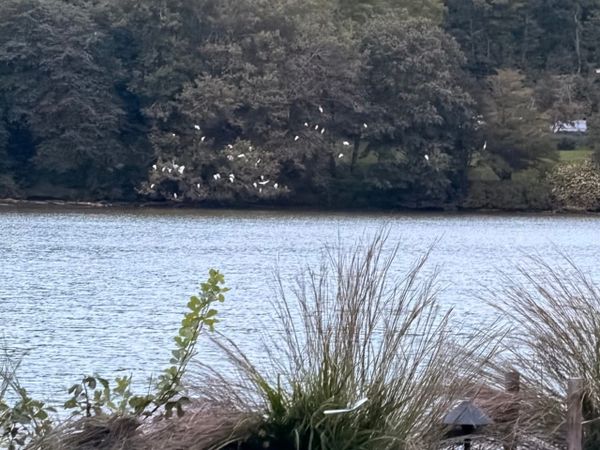
I am on vacation in Virginia as I record this, on the shores of the Pamunkey River. And I am not at the pond. But I am at one of my waters.

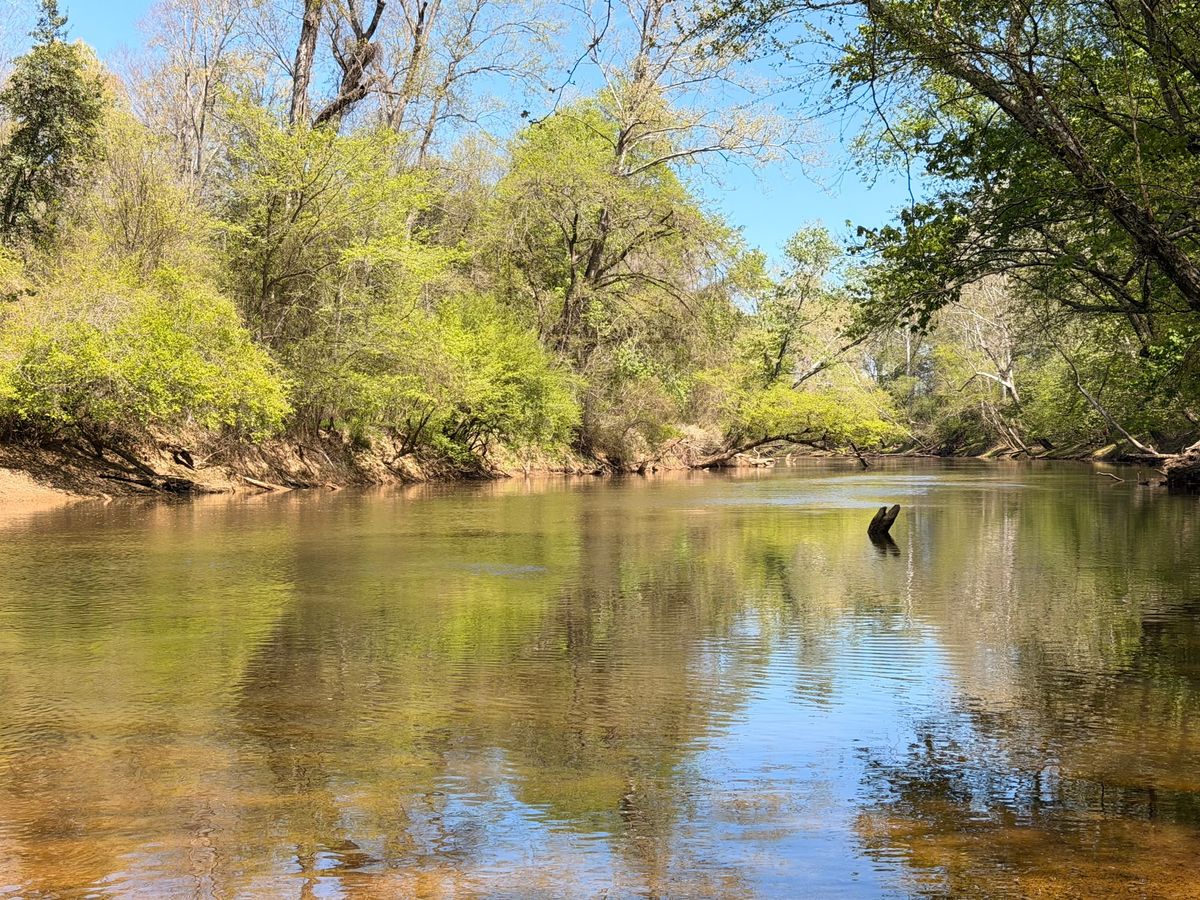
I think Peyton found the first shark tooth. Byrd was feet upstream, ankle-deep in the current, turning over rocks for tadpoles with Charlie and Owen while the grown-ups stood nearby, bent over searching and I sat on the bank pretending to supervise.
We had shed our Long Island finery — collared shirts and sensible shoes for Walmart plastic boots too big by a size, hoodies that belonged to someone else last year.
Transportation this week is either the back of a pickup truck or a four-wheeler, and both beat the Long Island Expressway in every measurable way.
I am on vacation in Virginia as I record this, on the shores of the Pamunkey River. And I am not at the pond.
But I am at one of my waters.
There is a greeting used among the Māori people of New Zealand: “Ko wai koe?” It translates literally as Who are your waters? The Pamunkey is one of mine. Sarah grew up on these banks. I grew up on the Potomac. Different rivers, same bay — drawn together, it turns out, by time and geology.
I know how the Pamunkey smells in April and what the light does on her surface in the late afternoon. She has become part of me the way St. John's Pond is part of me — held without thinking, the way we stand slightly leaning on one foot when we are relaxed.
Here is what I noticed this week: Virginia is two weeks ahead of Long Island in the spring. The trees are already full. The air already smells of green. And when we drive home at the end of this week, we will arrive just as Cold Spring Harbor is coming into exactly this part of the season and we will get to receive it again, for the first time.
I keep thinking about Thomas from the bible. Because we read about Thomas every year on this week. We sometimes tell that story of Thomas as a story about doubt, in fact, he’s called “Doubting Thomas.” Its a story about someone who needed more proof than everyone else. But I think there's another way to hear it. Thomas wasn't absent for the resurrection because he didn't care. He was somewhere else. And when Christ came back , came back to find him specifically, came back through locked doors to say here, touch this, Thomas got to receive Easter for the second time.
Water is the great tourist. One generation here, the next there. The water in this creek and the water in our pond are from different watersheds now, but the same water. All the water that ever was is now, just visiting somewhere new. The Pamunkey has been rain, has been ice, will be the York, has been the Atlantic. It carries all of that without effort, without grief, without holding on.
Some of us are Thomas this week. Some of us were elsewhere when Easter happened: lost in grief, distracted by exhaustion, somewhere the news hadn't quite arrived yet. That is not a failure. It is a place. And the risen Christ, as best I can tell, has never once failed to find someone in that place and say: Here. Touch this. I came back for you specifically.
The pond is waiting. Spring will be there when we return. And we will receive it, again, for the first time. With muddy boots and glad hearts.
A Prayer:
God of every watershed and every homecoming — you are in the Pamunkey and you are in the pond and you are in the creek where the children are turning over rocks right now, looking for something alive. Teach us to receive Easter more than once. Teach us to be water — to carry everything we have been without being diminished by it, to travel without losing ourselves, to arrive where we are needed and give what we have. With Christ, who is the great tourist of death and life, who visited the grave and did not stay. Amen.